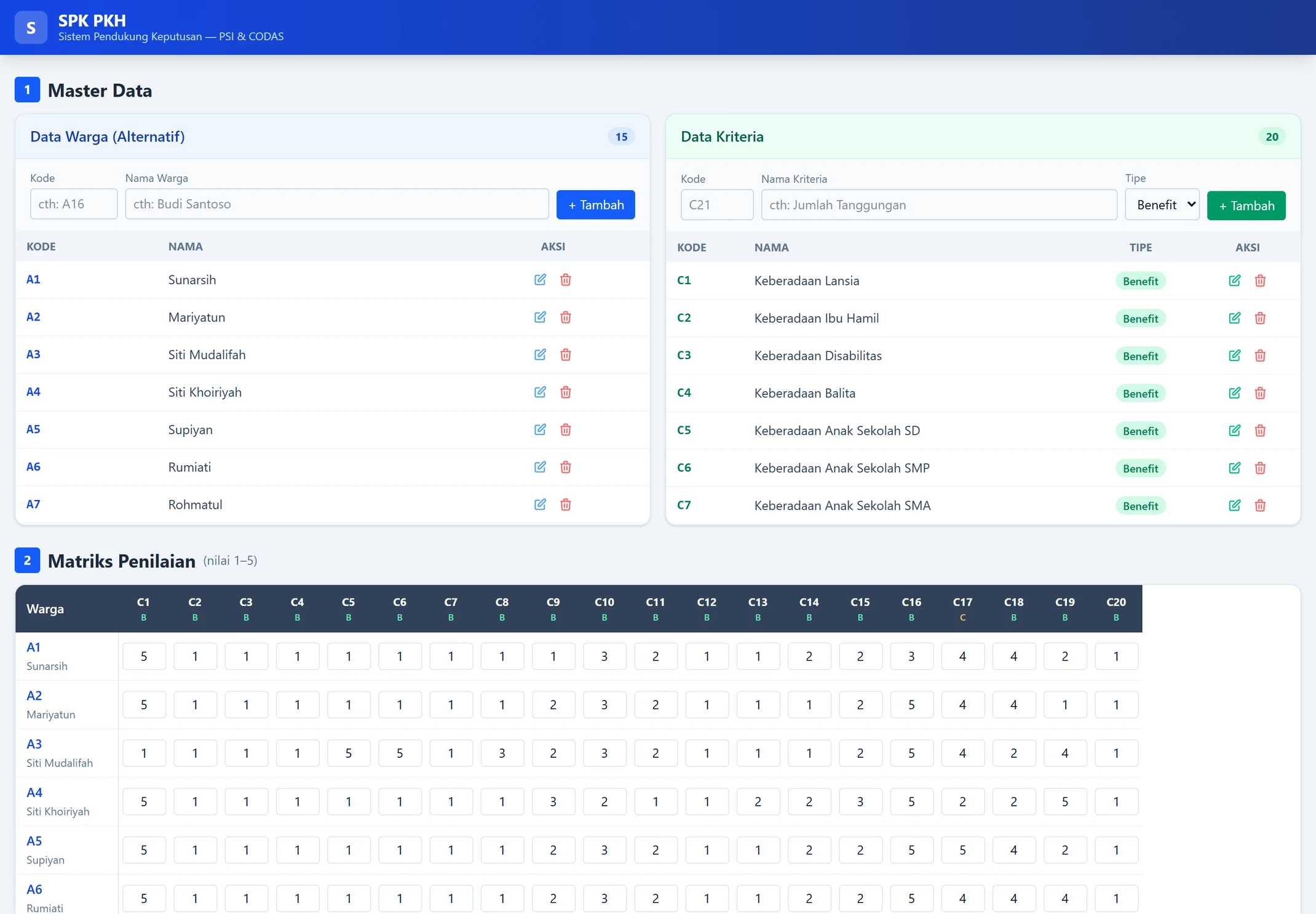
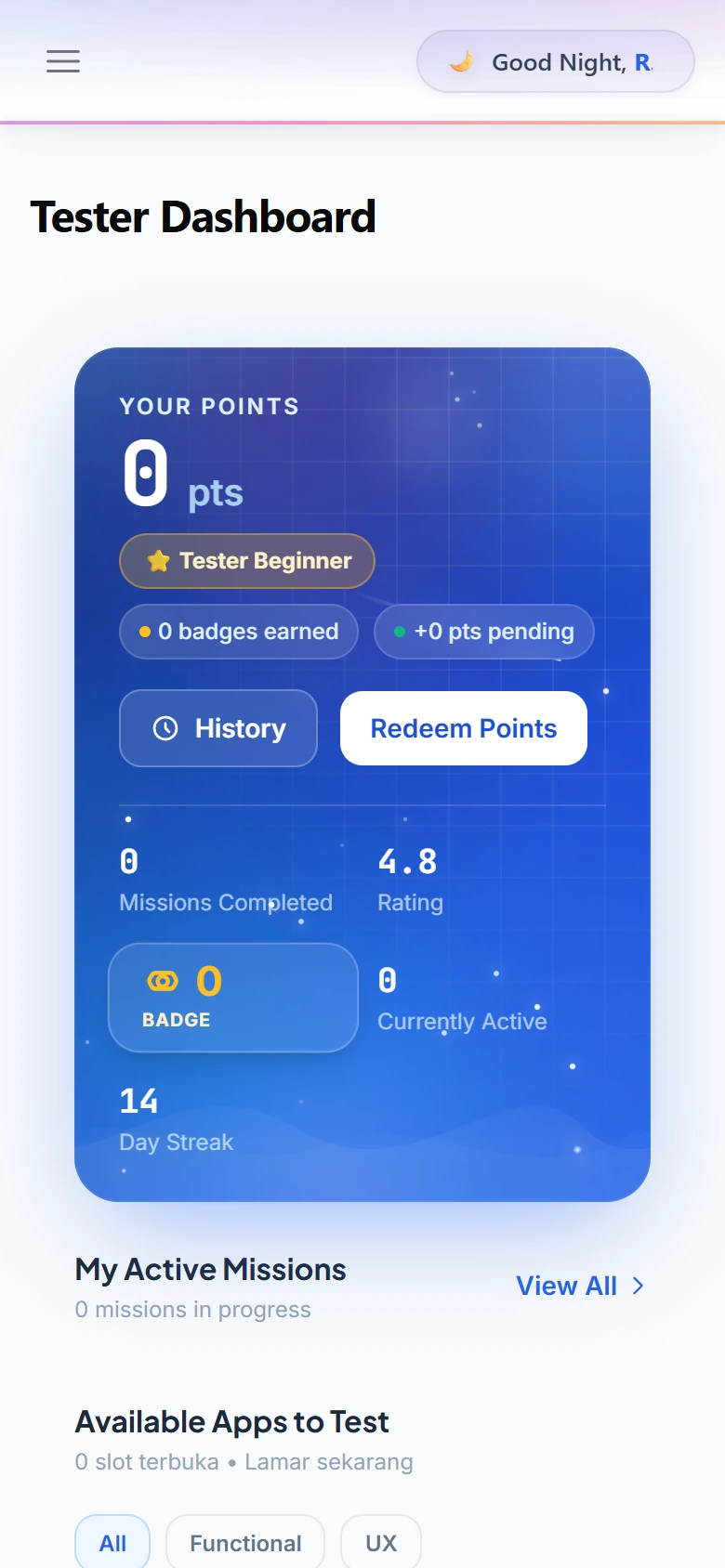
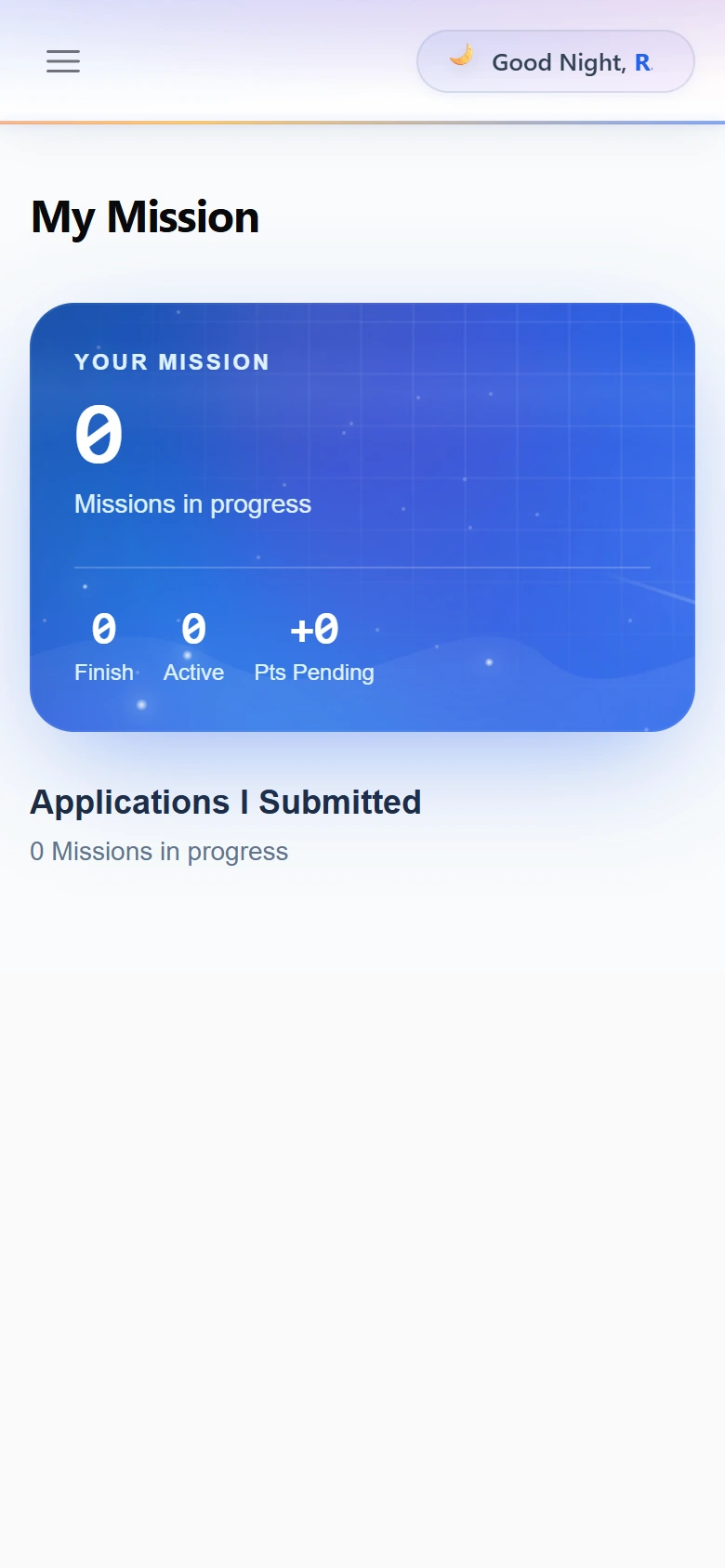
PlayTest ID
10 missions · 120 testers · 2 paid plans
A two-sided marketplace for Google Play developers and paid testers.
Project Manager Software Engineer B2B / B2C digital products
Planning, timeline, and team coordination — while also writing the code for B2B/B2C digital products.
Every card opens a full case study: the role, the calls made, the risks that showed up, and outcomes that can be proven.
10 missions · 120 testers · 2 paid plans
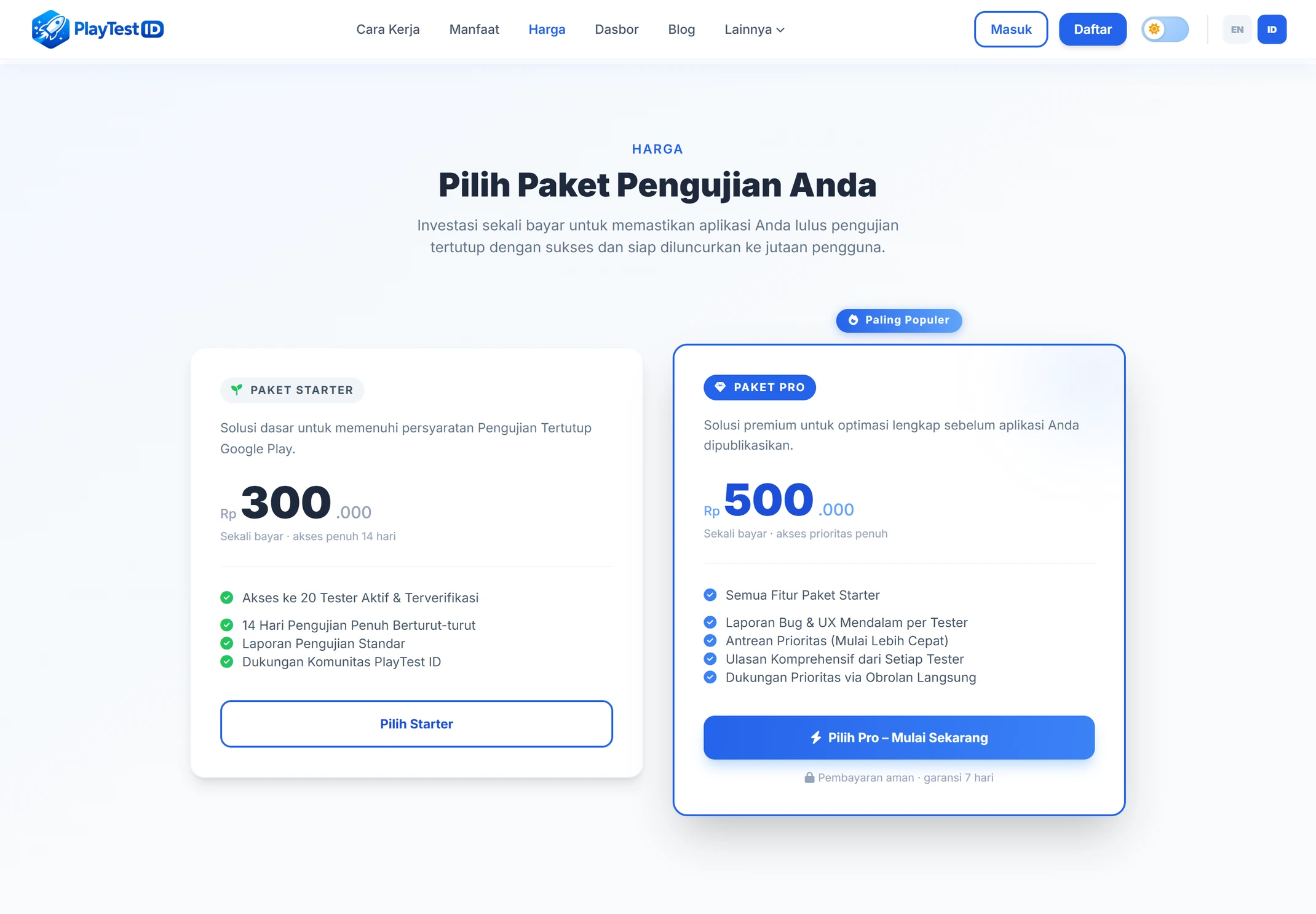
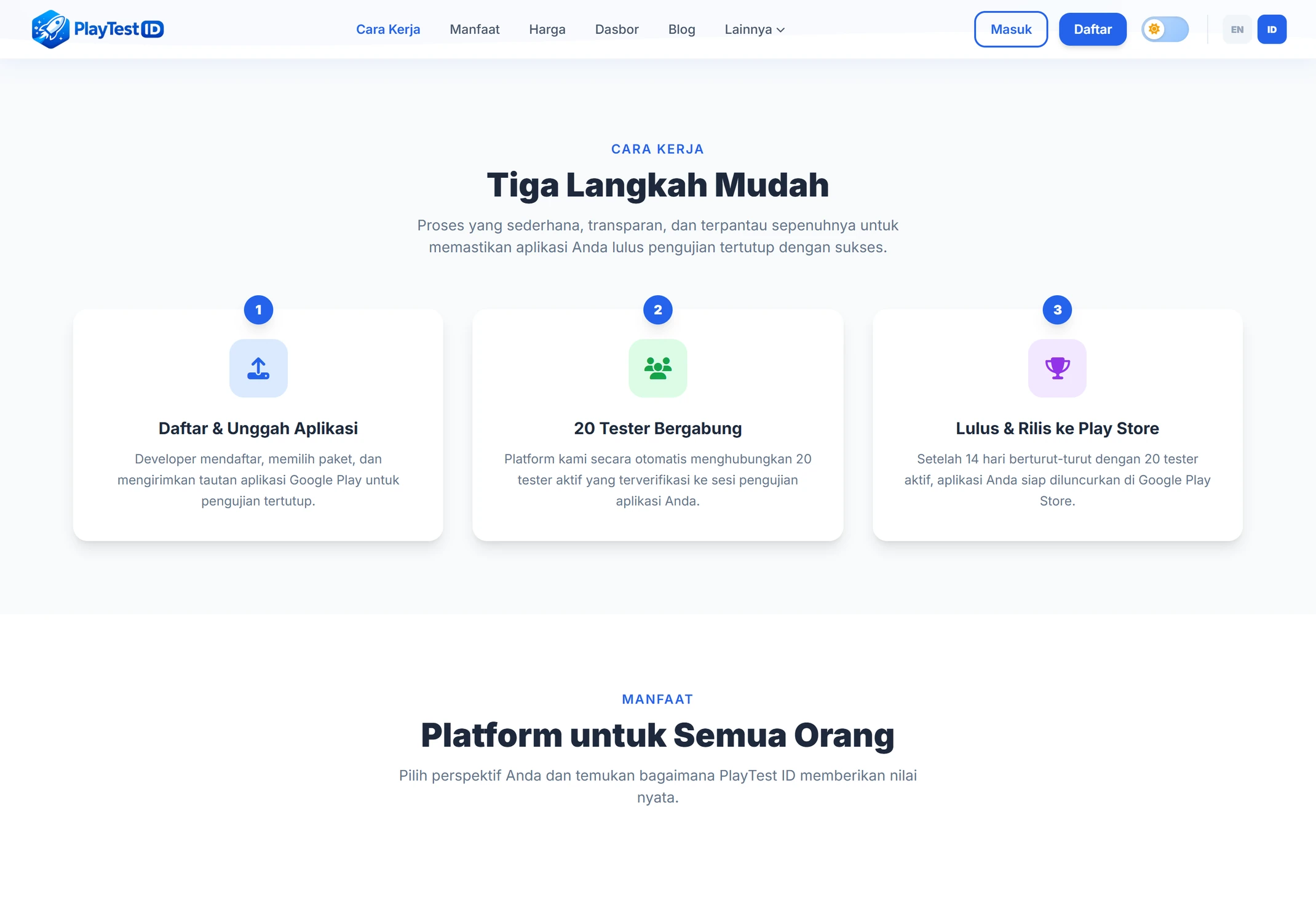
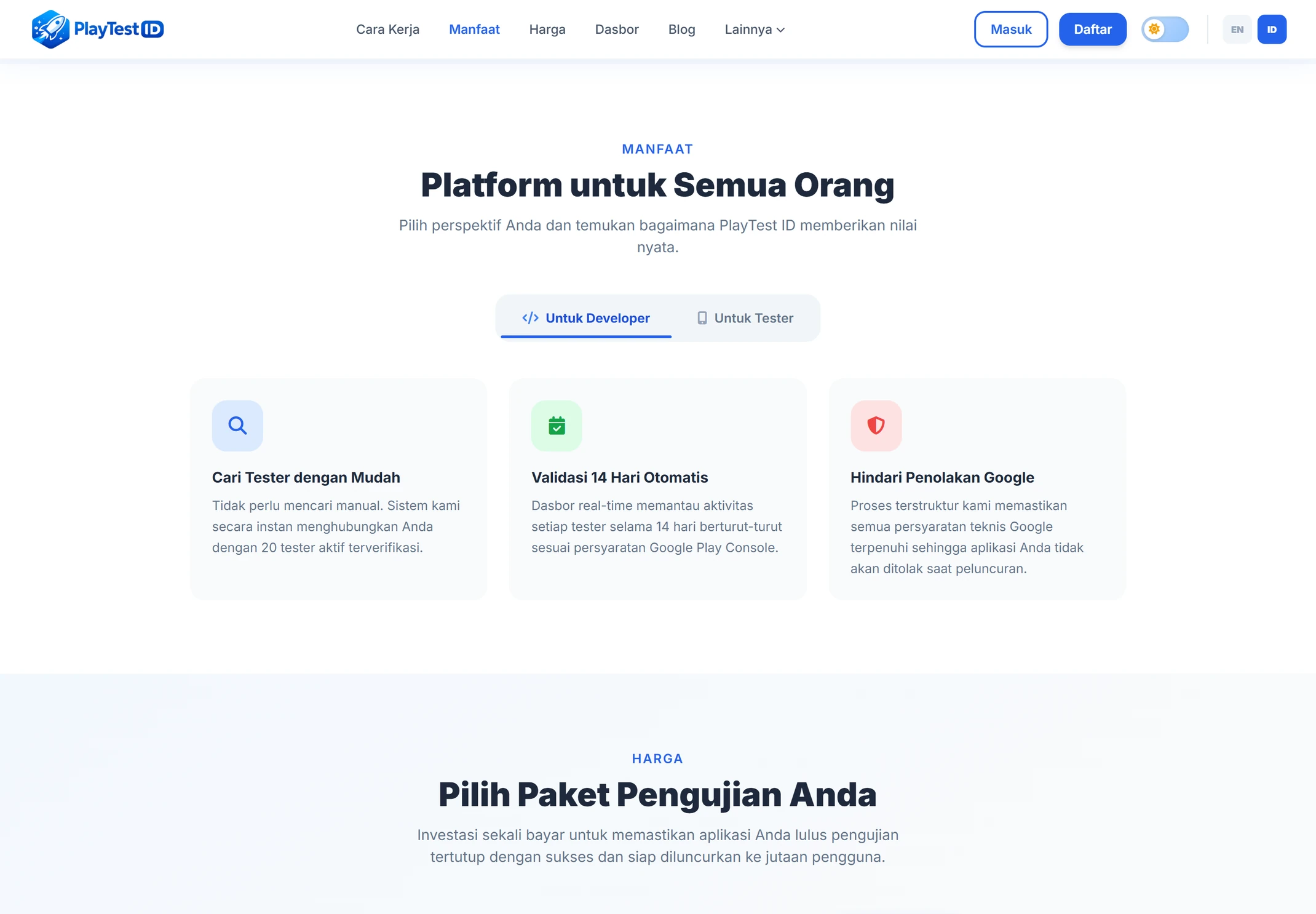
A two-sided marketplace for Google Play developers and paid testers.
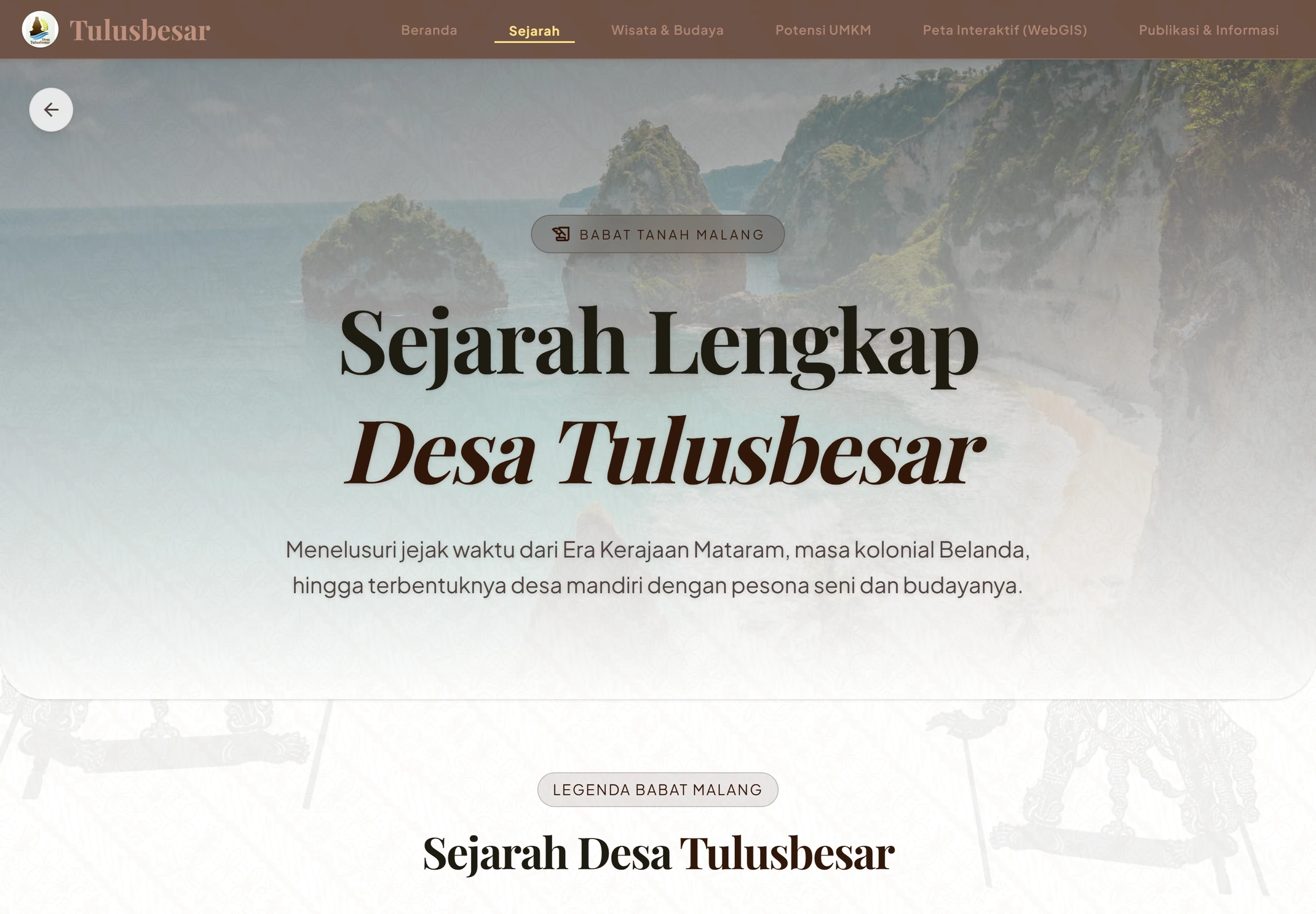
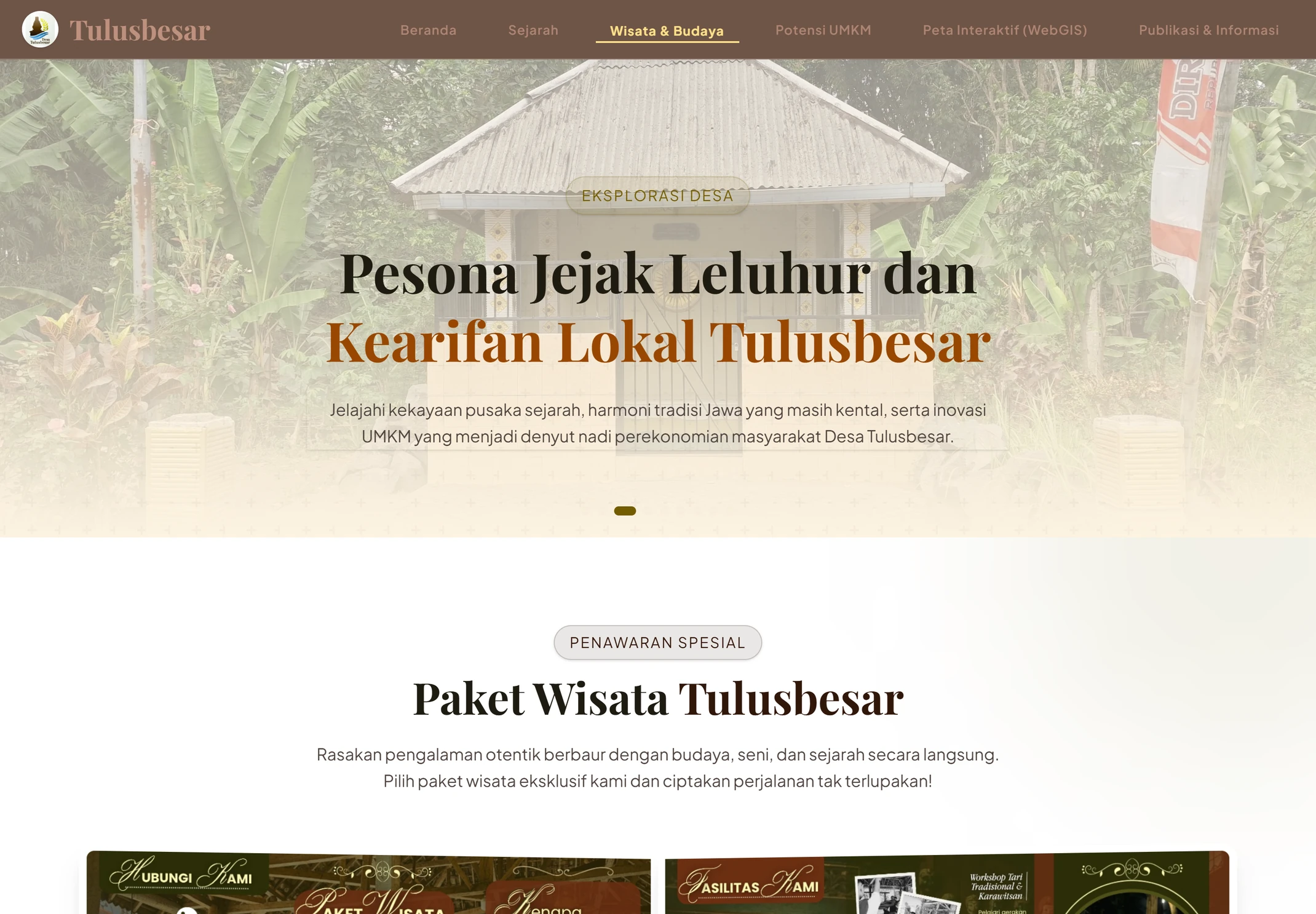
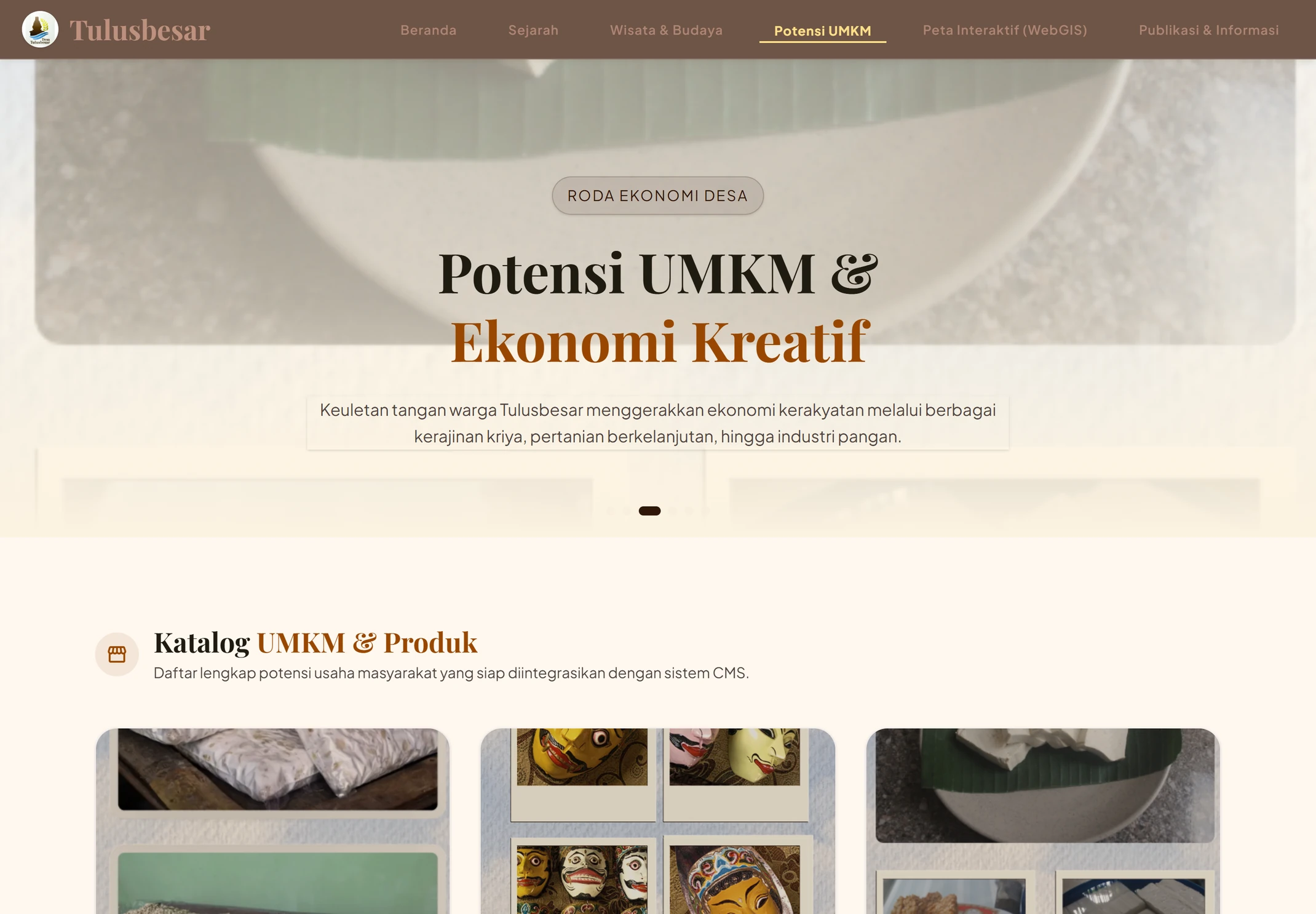
5 pages · 4 hamlets · manual book
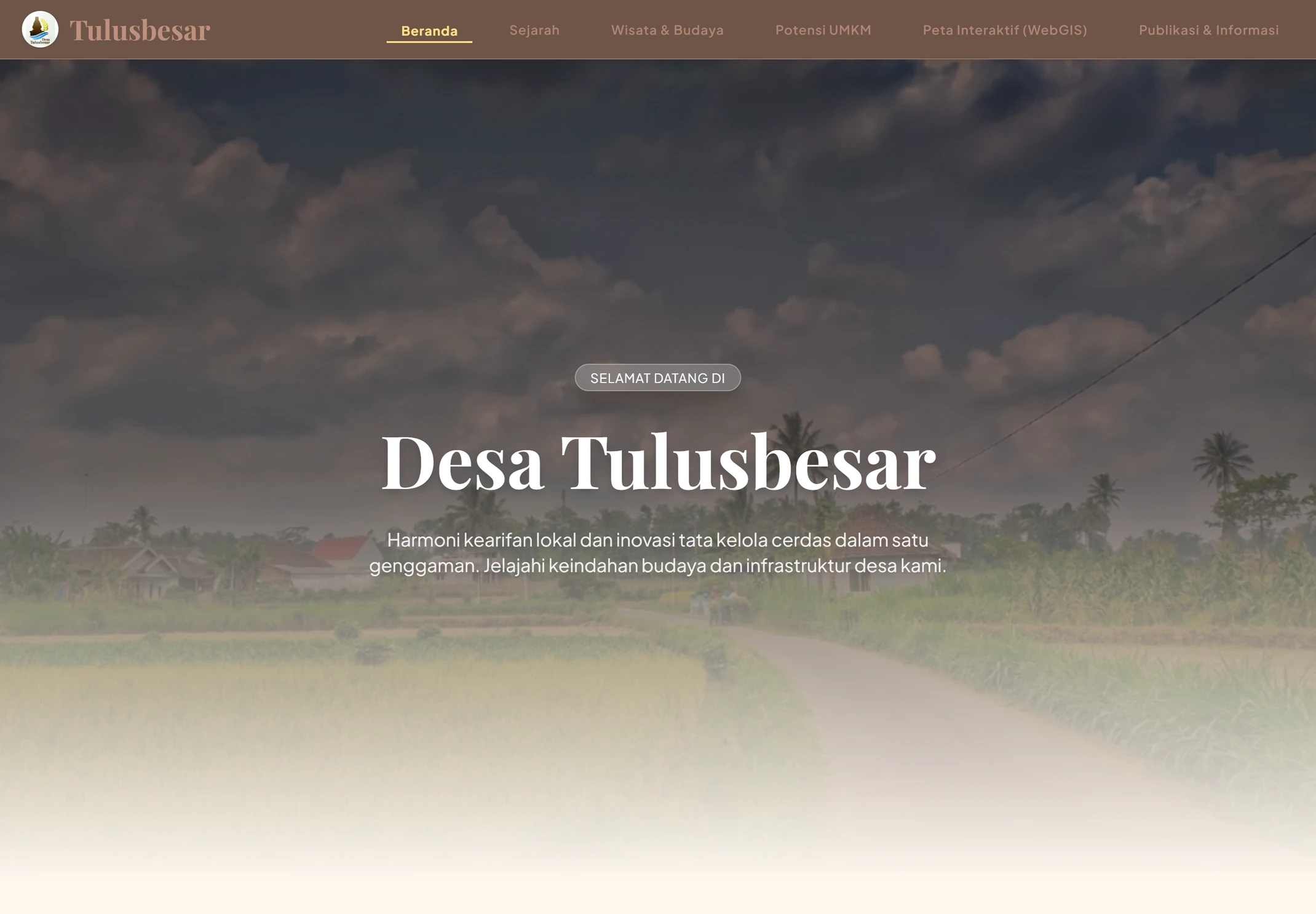
Village profile and administrative service site, from research to handover.
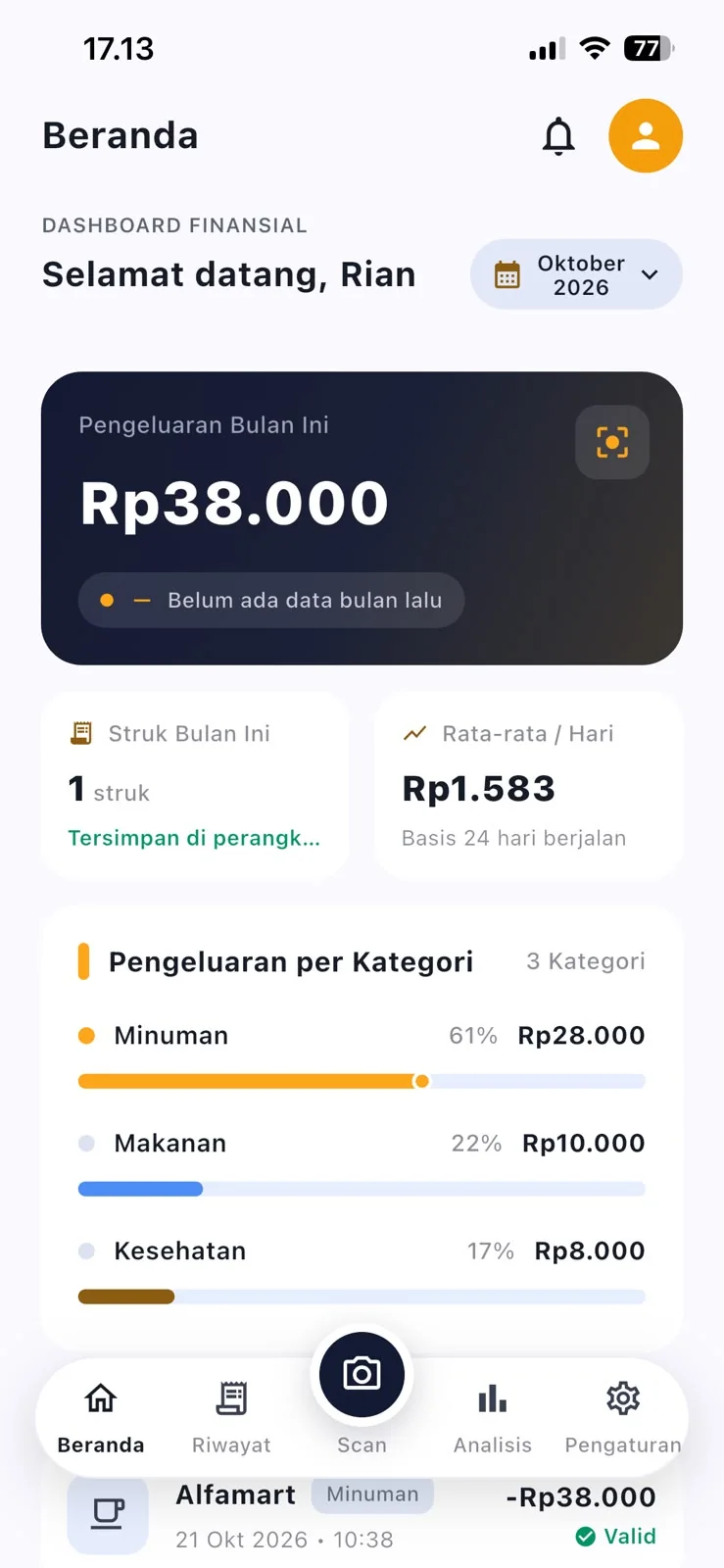
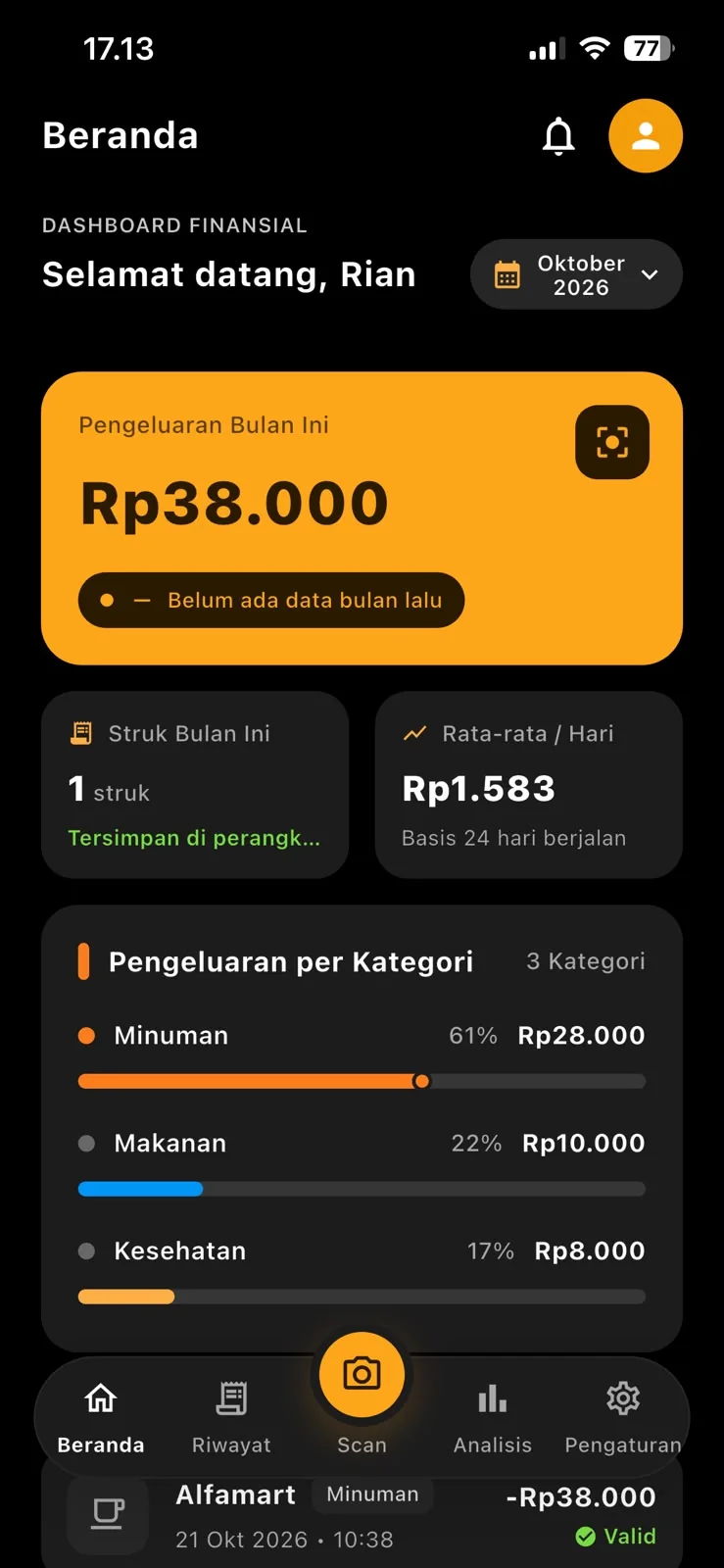
100% offline · automatic classification
Receipt logging with on-device OCR, offline and automatic.
Not a list of everything I have heard of. These are the tools and methods actually used across the five projects above — from scoping to handover.
I run software delivery through the SDLC, with Scrum as the daily and weekly working rhythm.
Since 2020 I have followed digital asset markets: researching coins and news, joining airdrops, and watching the Solana ecosystem. What I practise is not price prediction but process discipline — research before a decision, risk-aware allocation, and recording the reasoning behind each call.
Relevant to work: many fintech and crypto products need someone who understands the vocabulary, money flows, and user risk.
Payments, tester payouts, and automated test-result summaries in PlayTest ID run on the following third-party services.
Partner for client acquisition and sales-channel development for digital products in international markets, building a repeatable acquisition pipeline.
Led a two-person team from concept to publishing a children’s game on Google Play for an overseas client.
Daily operations with time and satisfaction targets; built time management and resilience under real conditions.
I do not start from a feature list. I start from the question: what must genuinely work when the project ends? Sequencing, decisions, and how progress is measured all follow from that.
Writing down the problem, the users, and the project boundary. Scope is split into three layers: must-have, important, and idea. The must-haves become the commitment; the rest become buffer and a waiting list.
Timelines are built backwards from the handover date, with reserve before it. Each track has one owner, and dependencies between tracks are written explicitly so no one waits on another unknowingly.
A short, steady rhythm: targets at the start of the week, blockers cleared mid-week, a summary at the end. Decisions that change scope are always recorded in one place. A single point of contact for outsiders so instructions never conflict.
Progress is measured by things that can be proven, not percentages. Each week has a written summary: what moved, what is stuck, what needs a decision. Projects close with a handover, documentation, and a note on what I would do differently.
Better to report one thing stuck today than a surprise at the end. Overly optimistic status is debt paid with interest.
An unrecorded decision is remembered differently by everyone. One place for decisions saves a lot of repeated conversation.
Not "80 percent done", but "a developer can create a mission through to publication". Progress must be shown, not estimated.
A project is not done if only its author can run it. Documentation and training are part of the work, not an extra.
Sample artifacts are taken from the PlayTest ID project. Every document was reconstructed from project archives for portfolio purposes and carries a note stating so.
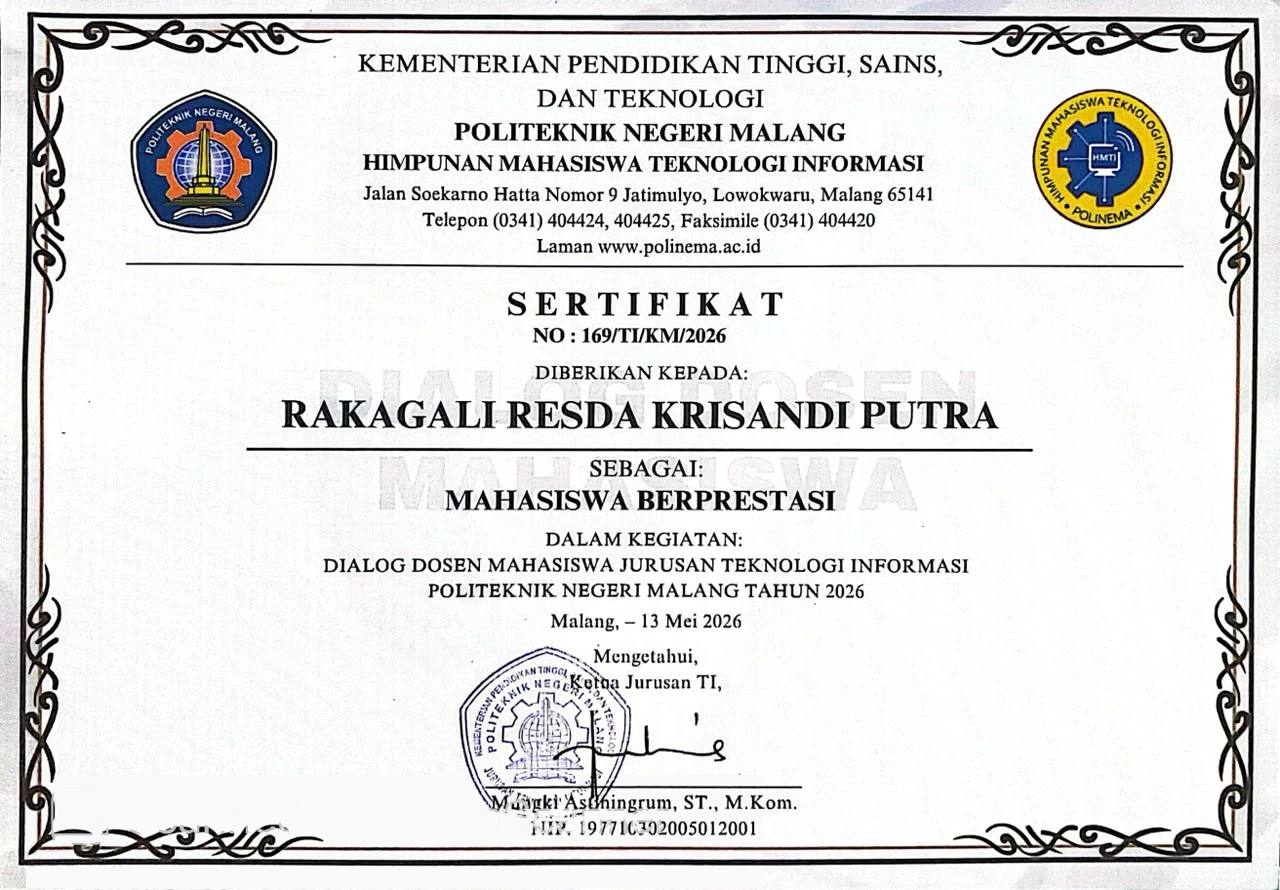
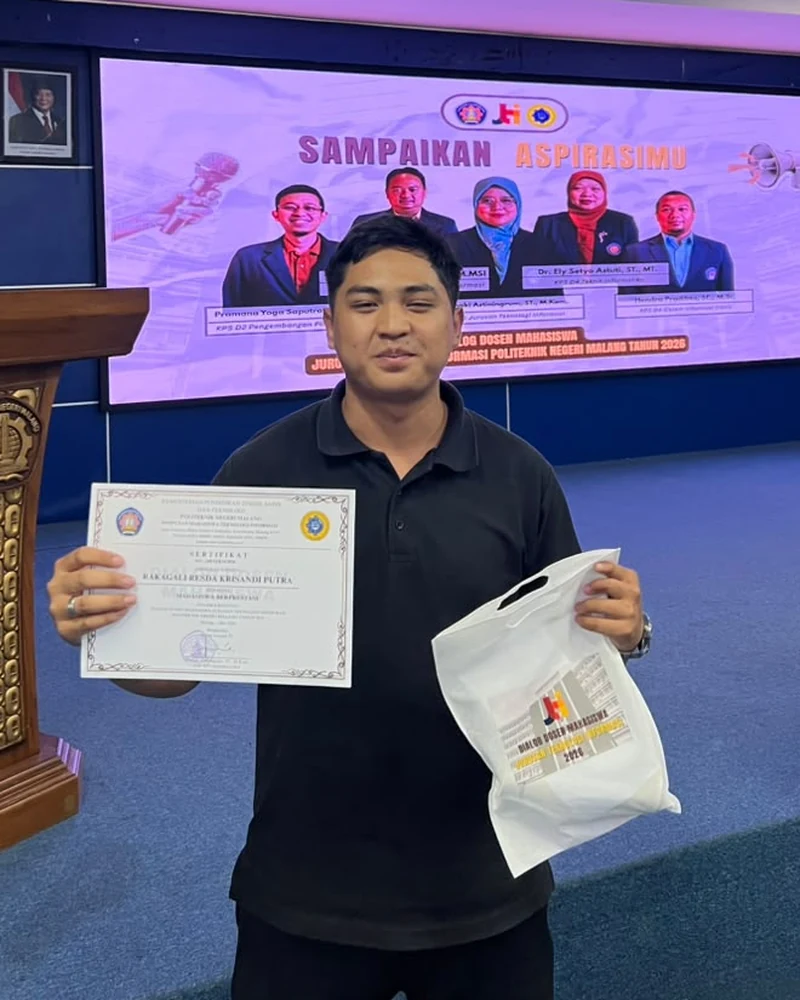
Business-plan and innovation competitions since 2025, plus the 2026 Outstanding Student award from the department.
Named Outstanding Student — Jurusan Teknologi Informasi, Politeknik Negeri Malang.
Informatics Engineering Department Lecturer–Student Dialogue 2026 · Certificate No. 169/TI/KM/2026
Smart Study Planner (concept & mockup)
Note: PKM submissions passed the proposal stage and were uploaded to Simbelmawa. HelmKu and Smart Study Planner exist as concepts and mockups, not full implementations.
Malang, East Java
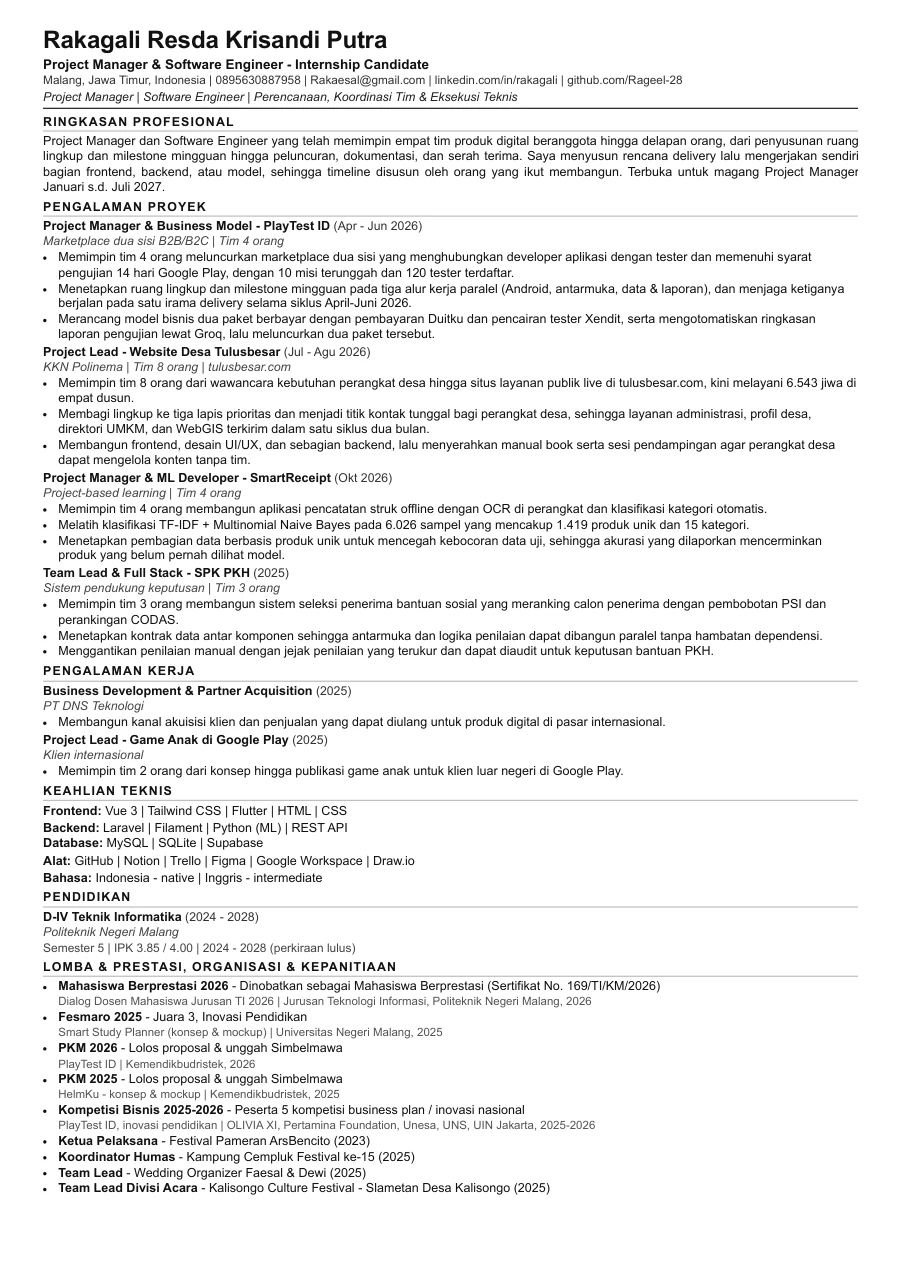
Open to a Project Manager / Software Engineer internship — January to July 2027
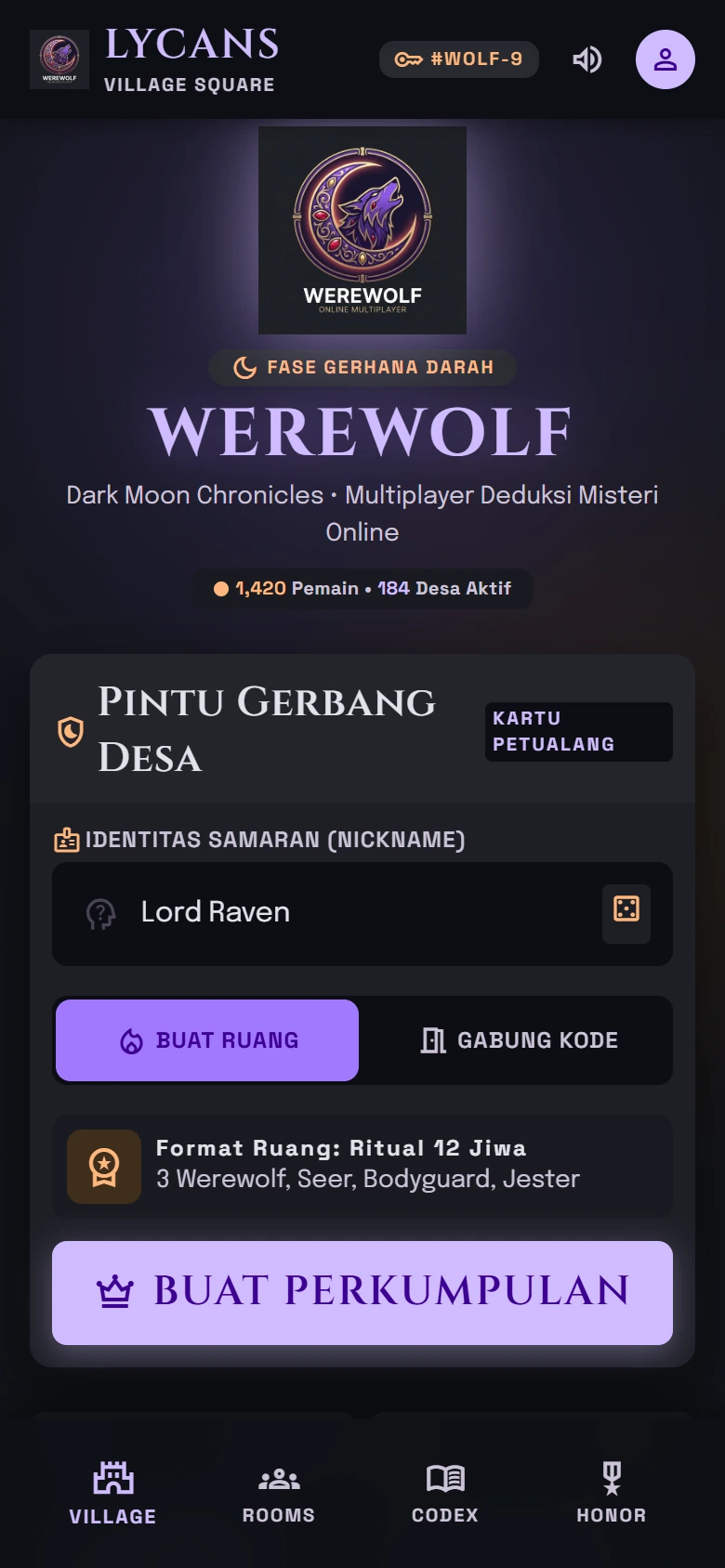
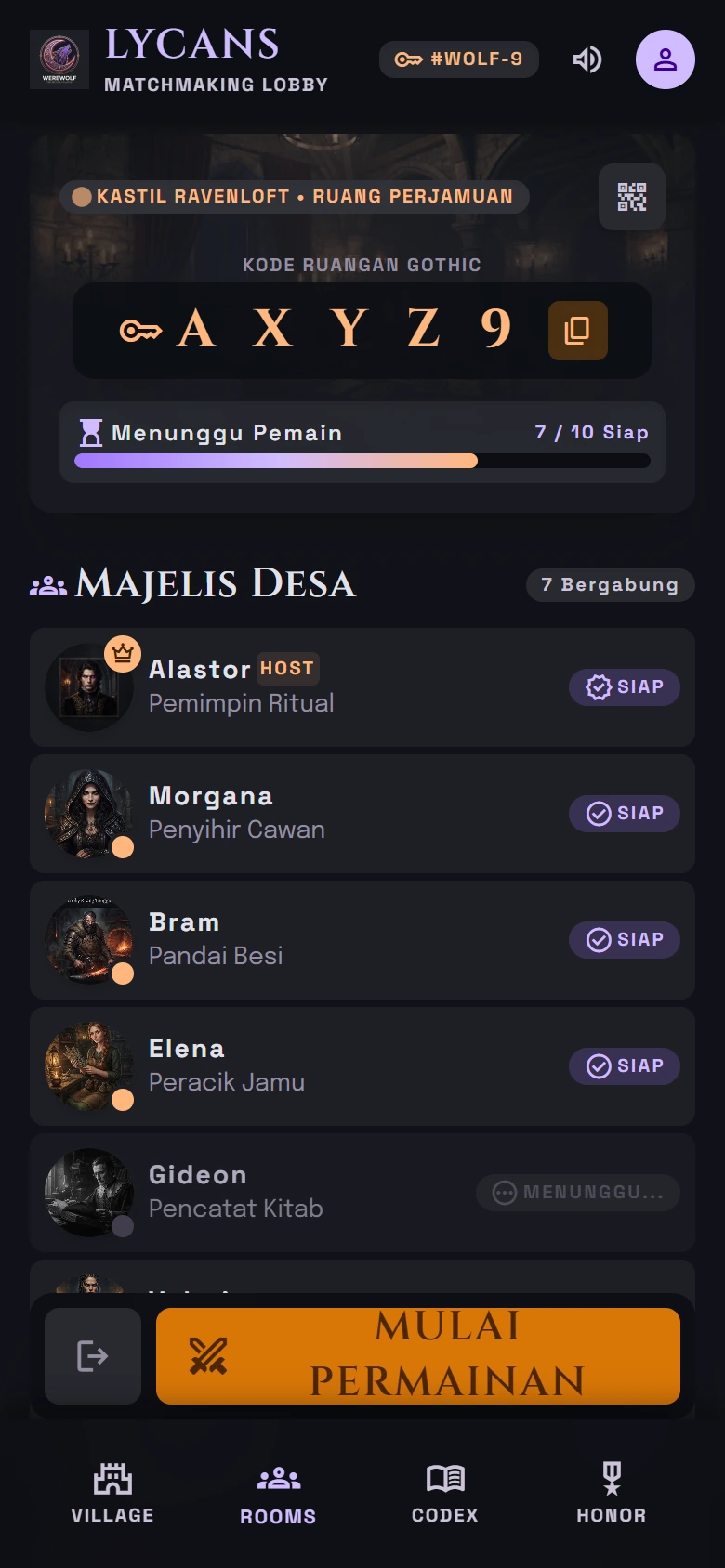
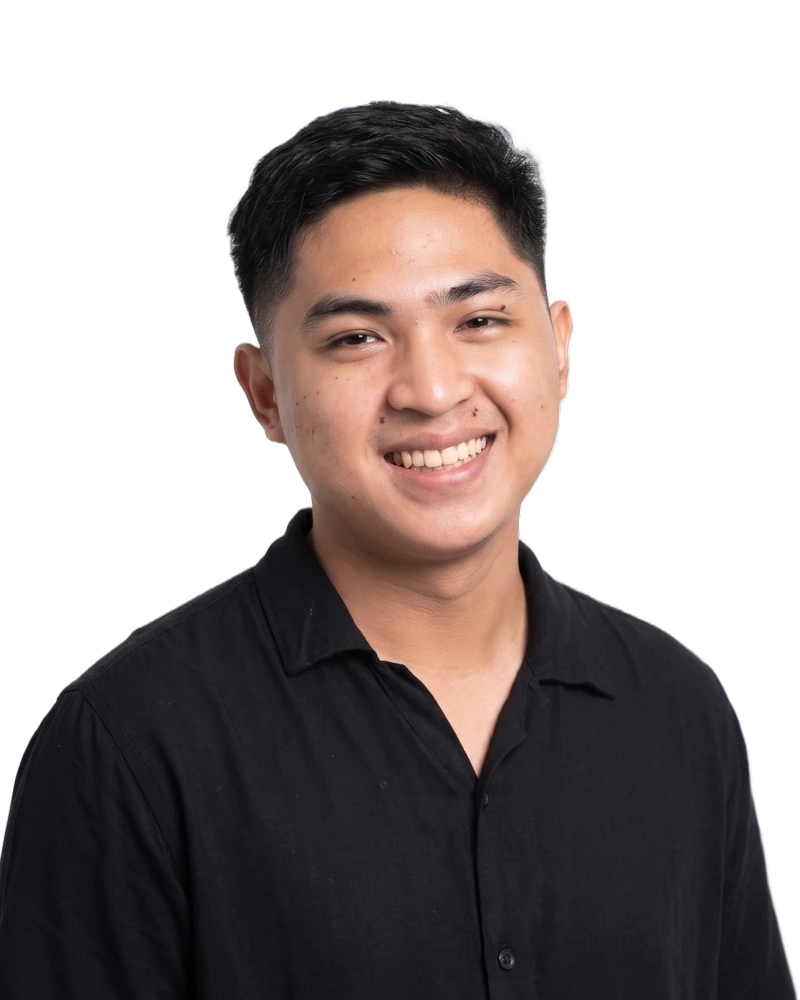
Informatics Engineering student at Politeknik Negeri Malang, working as both Project Manager and Software Engineer across five digital projects: a two-sided B2B/B2C marketplace, a village service website, a machine-learning mobile app, a decision-support system, and a realtime web game. I plan the timeline, coordinate the team, and also do the technical work until handover.
I enjoy the part of a project that is rarely visible: sequencing the work, making sure everyone knows what must be finished this week, and recording decisions so they are not remembered differently. I also work on the technical side, so I can tell when an estimate is too optimistic.
Outside projects I have been involved in event committees — from campus festivals to village events. There I learned that coordination is not about meetings but about making sure information reaches the right person at the right time.
The DOCX version is provided so content can be tailored per position.
I am looking for a Project Manager / Software Engineer internship for January–July 2027. Email or WhatsApp both reach me.